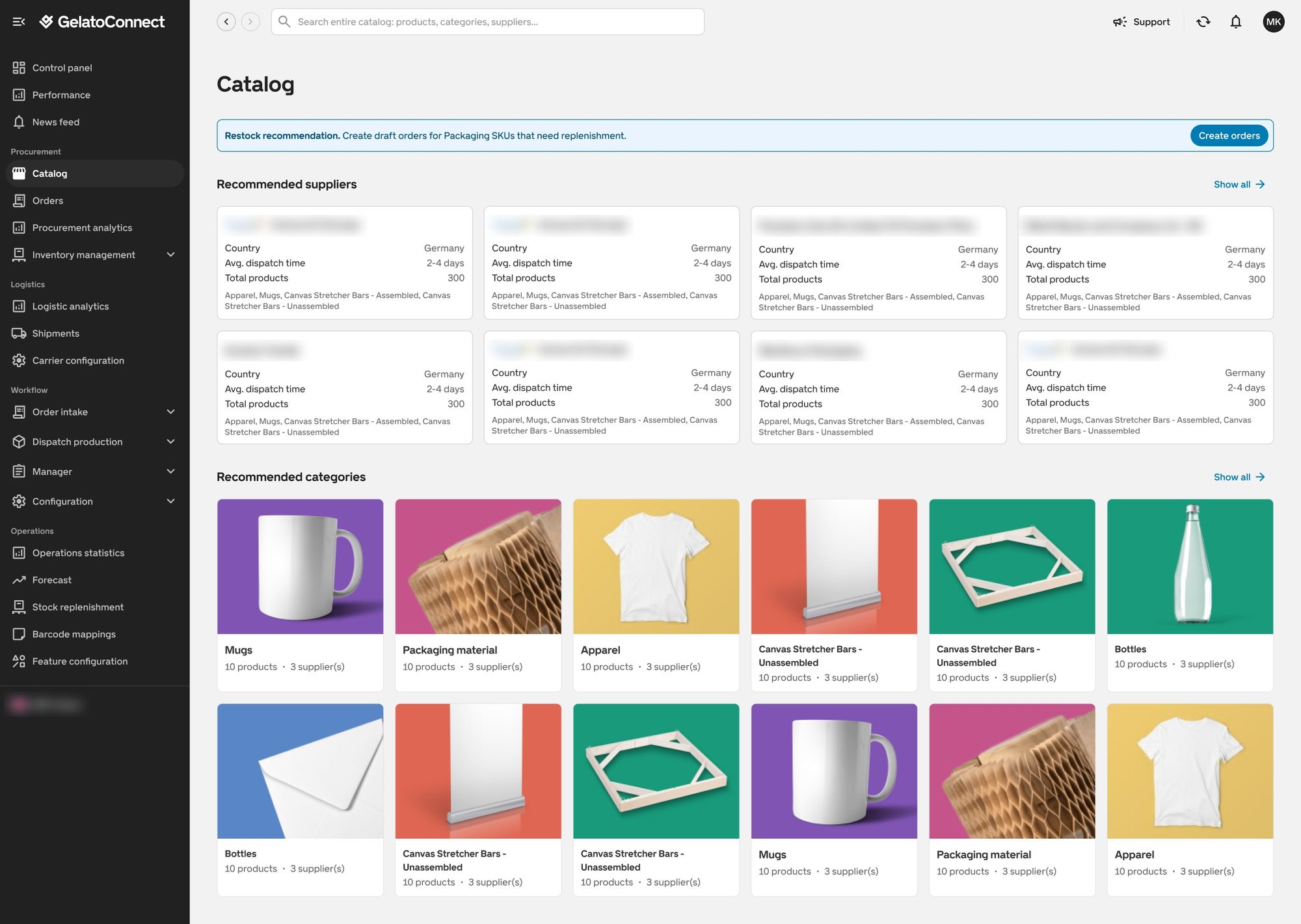
The problem
Partners buy blank stock from suppliers. Order too much and money freezes in boxes. Too little and production stops.
The old module was a marketplace where suppliers would compete on price. They refused to reveal prices to rivals, so there was nothing to compare. Search was weak, supplier details were cramped, and the biggest partners told us so directly.
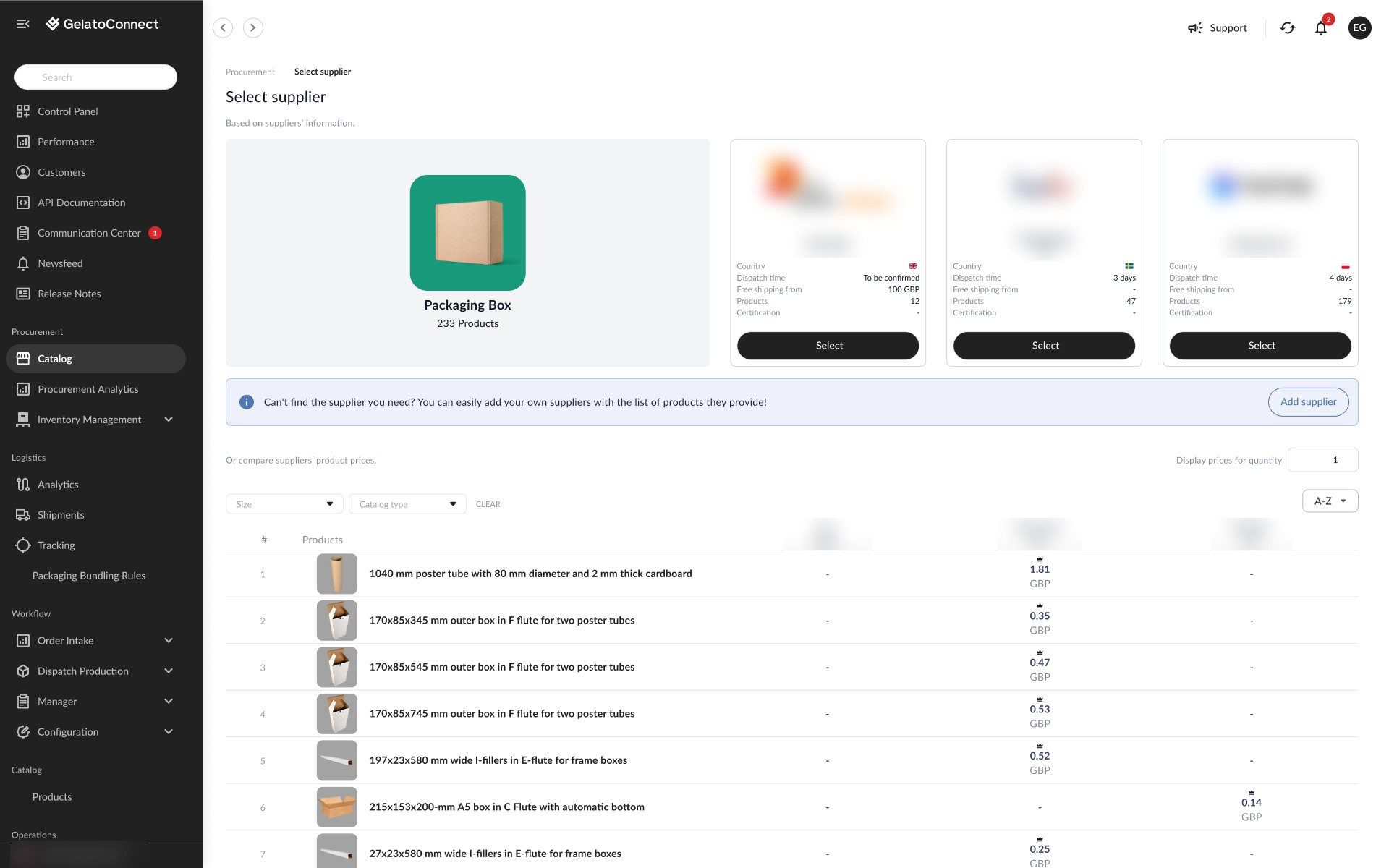
The reframe
Not “how do suppliers compete?” but “how does a partner want to buy?”
A procurement manager already knows who they trust, who to call when that supplier is out, and when price beats loyalty. With the PM, we turned that knowledge into rules the system applies on every order. We scoped features and tested them with partners together; the interaction model and every screen on this page were mine.
Tesler’s Law. Some complexity can’t be removed, only moved. We moved supplier logic from the partner’s head into rules the system runs. lawsofux.com
Key decisions
Five decisions that turned a supplier list into rules partners trust.
3.1 Fallbacks, set once per SKU or category
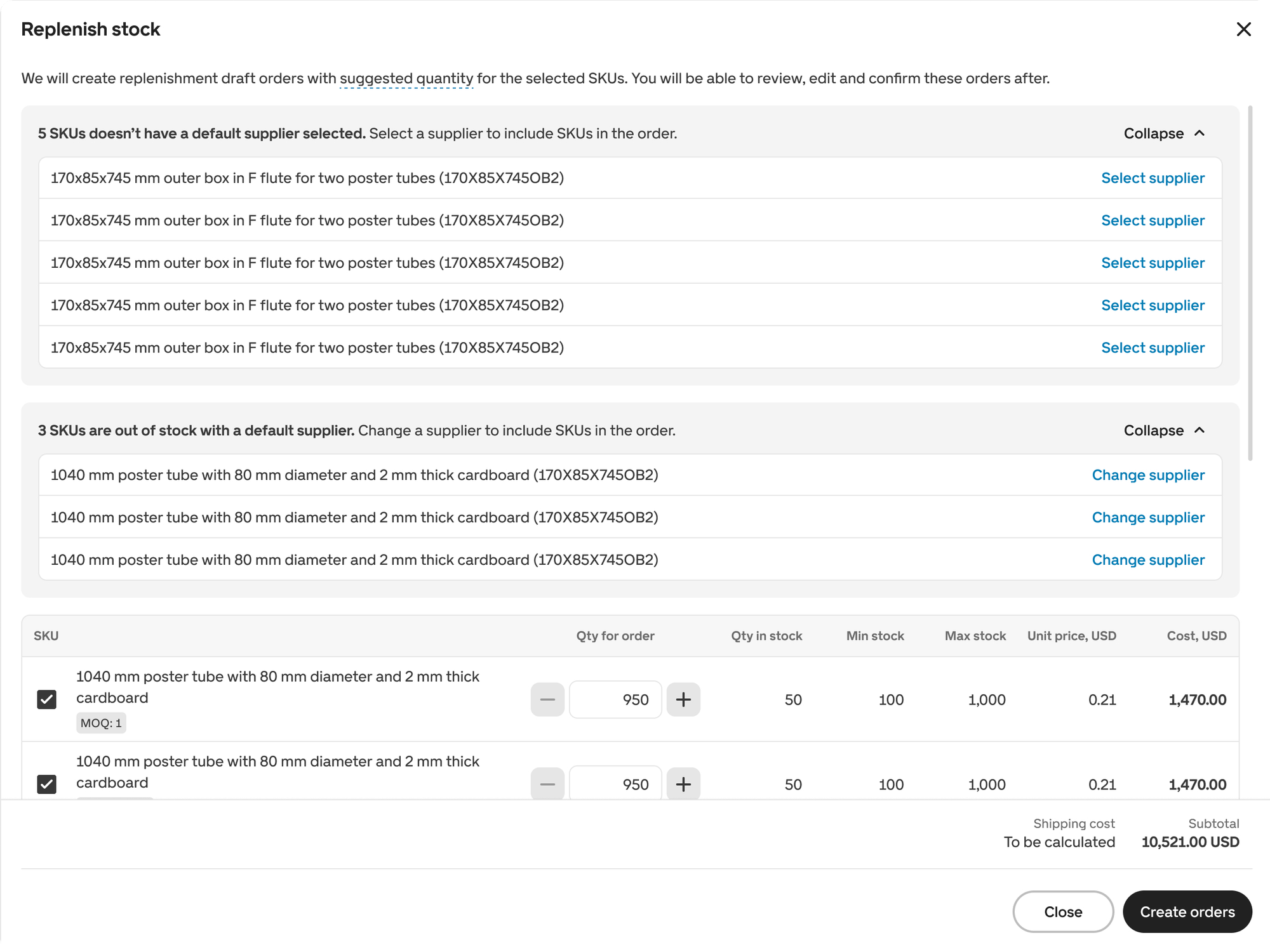
Default, secondary and tertiary suppliers, plus an optional “lowest price wins”. Applied to five SKUs, the modal says up front which three it covers and which two it can’t.
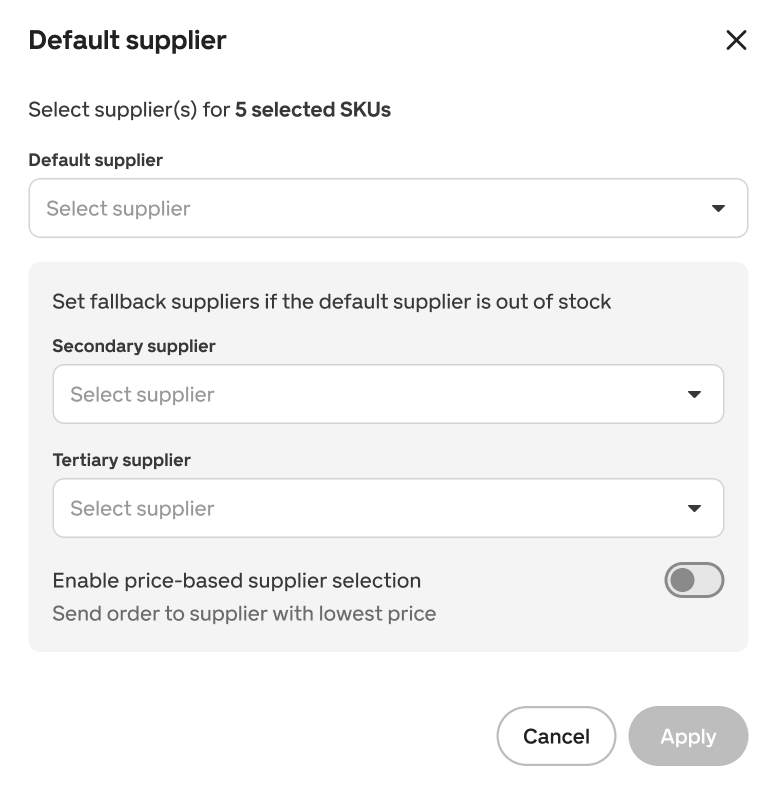
- 1One default supplier for every selected SKU
- 2Fallbacks live in their own group, clearly optional
- 3Price-based selection starts switched off
Trade-off · New UI shipped later than it could have. Everything after it, AI included, needed these rules to be right first.
3.2 Rules per supplier–warehouse pair, written as user stories first
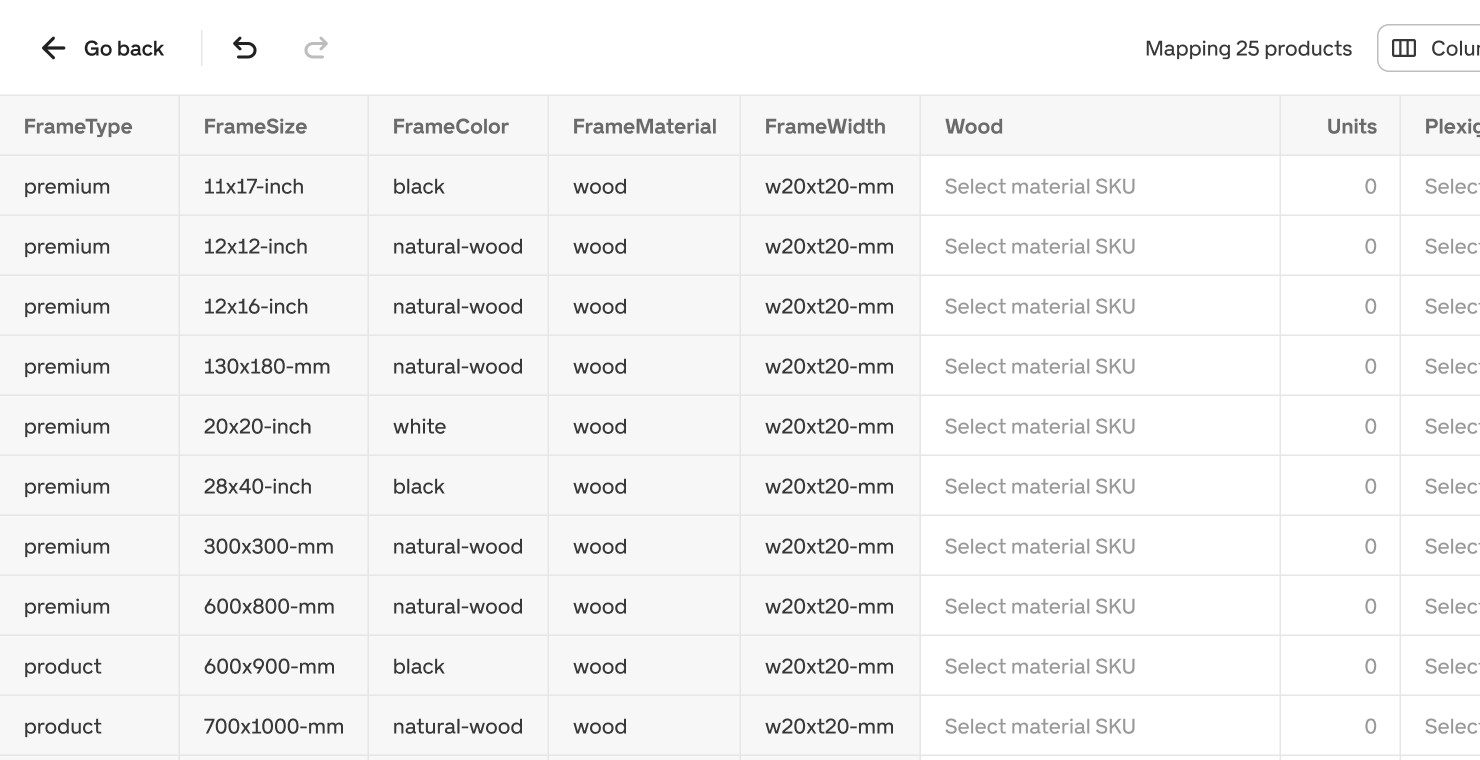
Every partner runs at least one warehouse. We wrote the rules as user stories first, then designed the panel that answers each one.
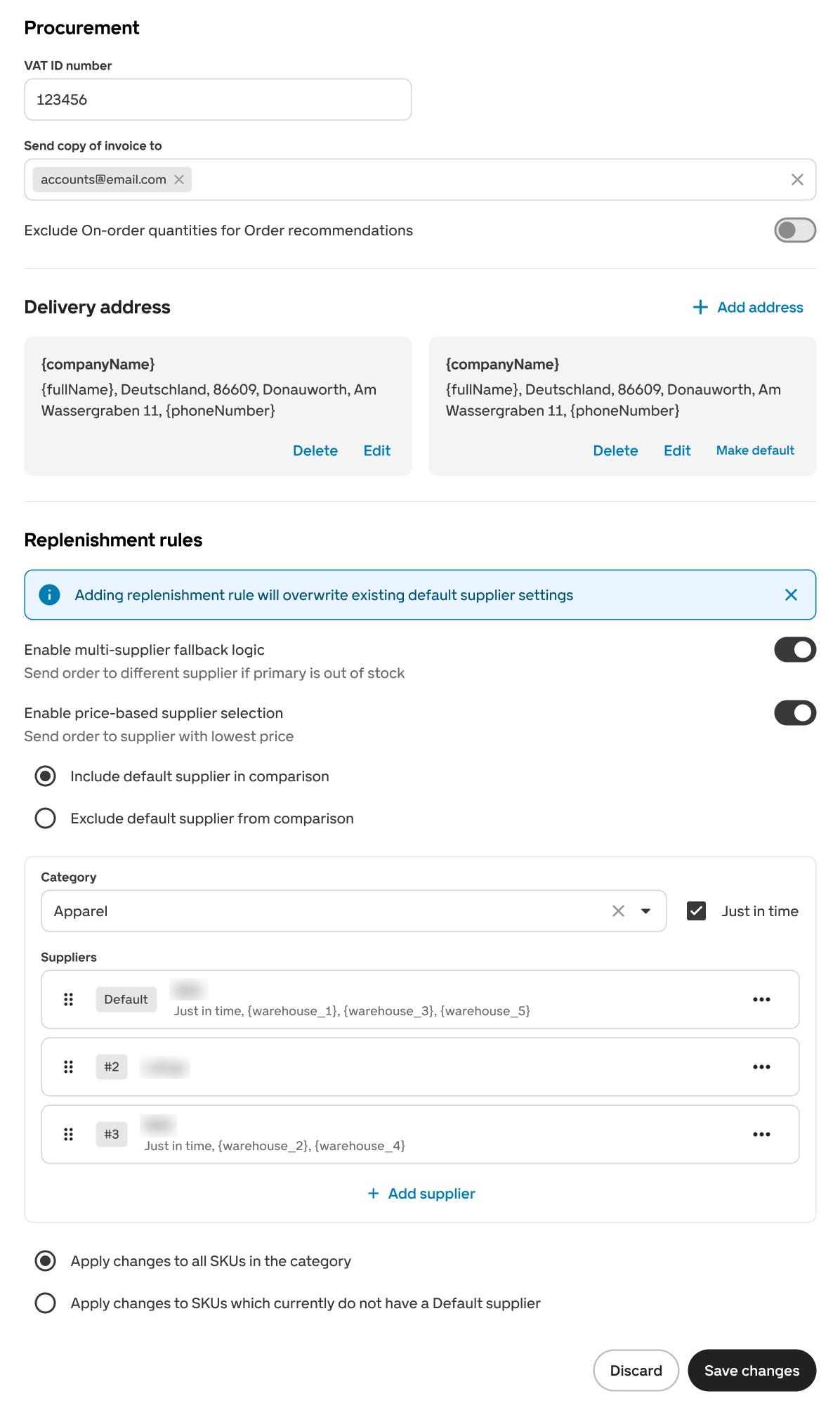
- As a procurement manager, I want…
- 01Ordered pairs per SKU, so automated orders follow my sourcing priority.
- 02More than three fallbacks, without artificial limits.
- 03Exclude warehouses with known issues or long lead times.
- 04Drag to reorder when supply or shipping changes.
- 05“Most economical” override when a cheaper total exists.
3.3 Failures sit on top, fixable in one click
No default supplier, or default out of stock: both groups surface above the order with one action each, and collapse once fixed. Everything else goes through as drafts.
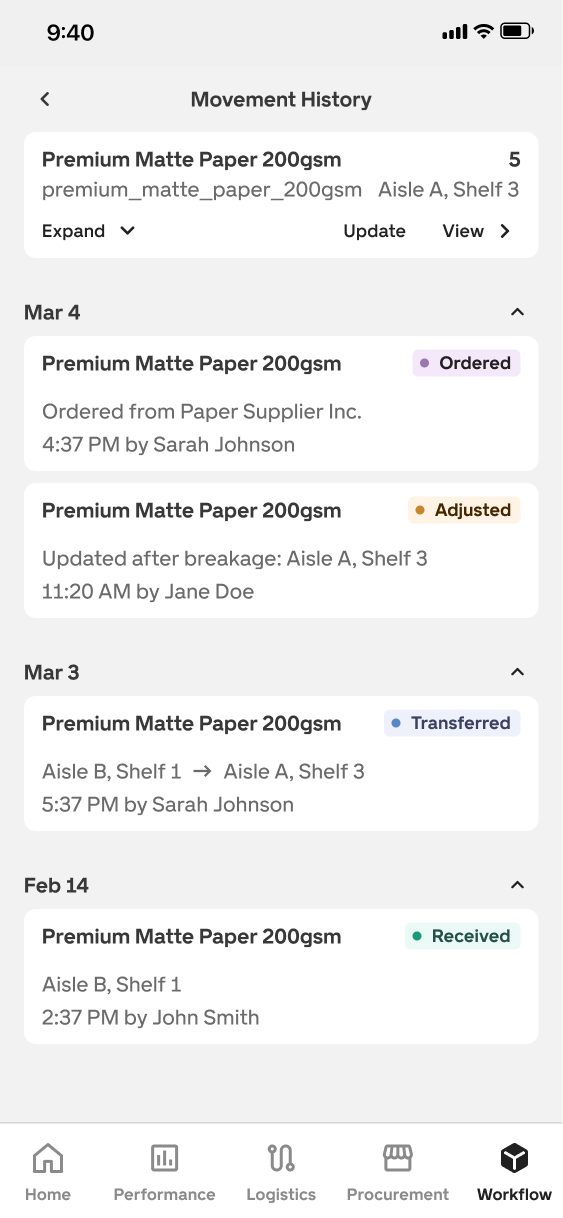
3.4 Desktop for rules. A phone for the floor.
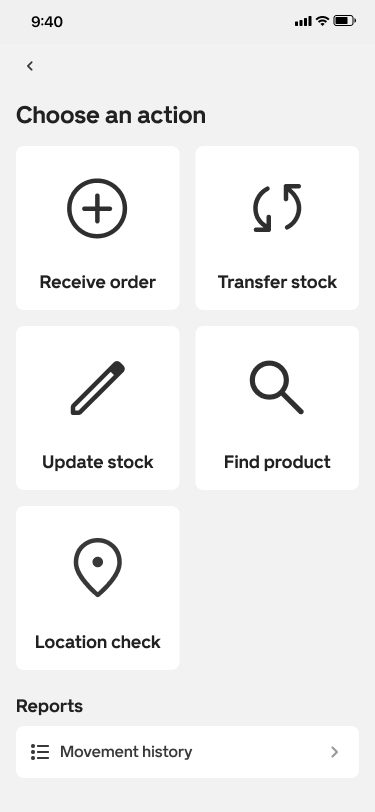
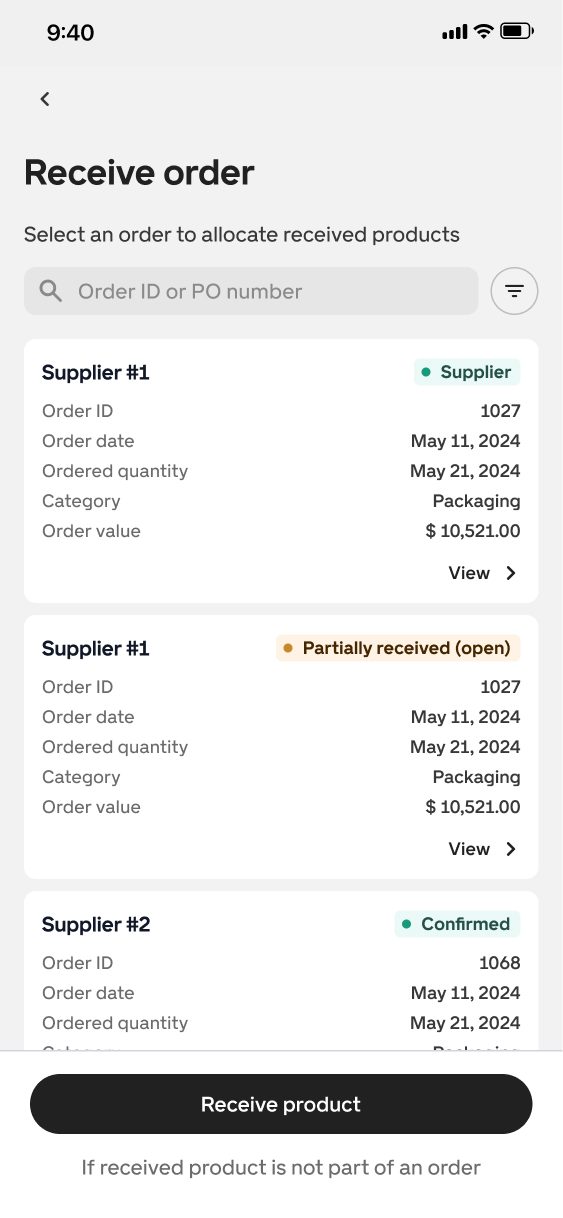
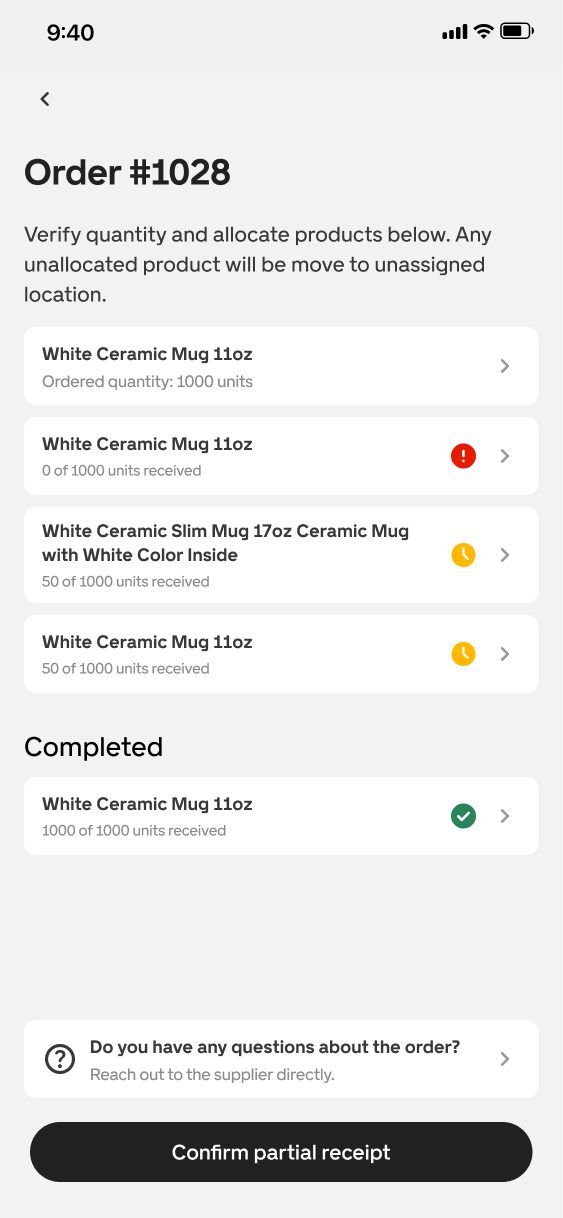
Warehouse workers don’t just receive orders, they move stock all day. Each action is one screen with big targets, and every movement is recorded: physical stock became digital for the first time.
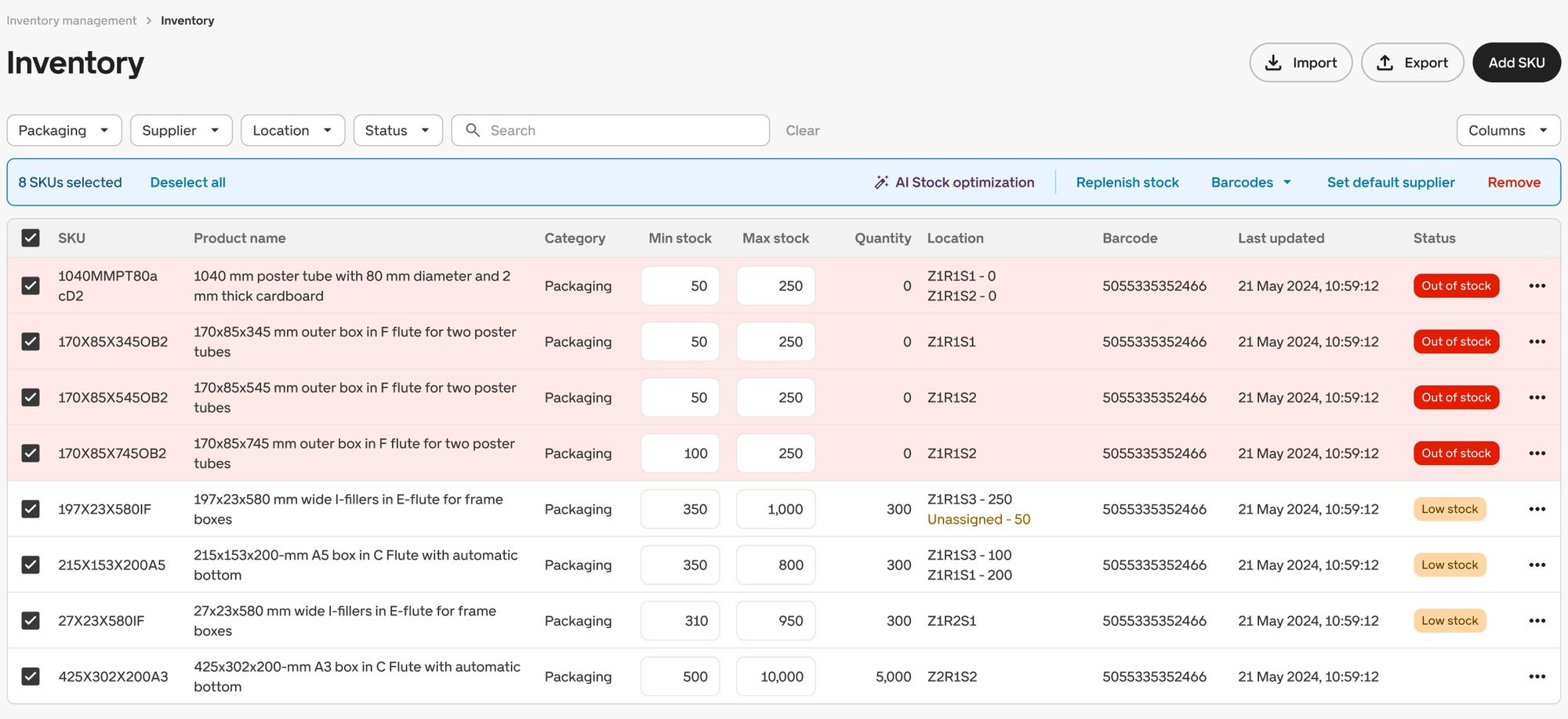
3.5 A recommendation on bad data is a confident mistake
Planned from day one, shipped once rules and stock data were reliable. Then AI took the tedious work.
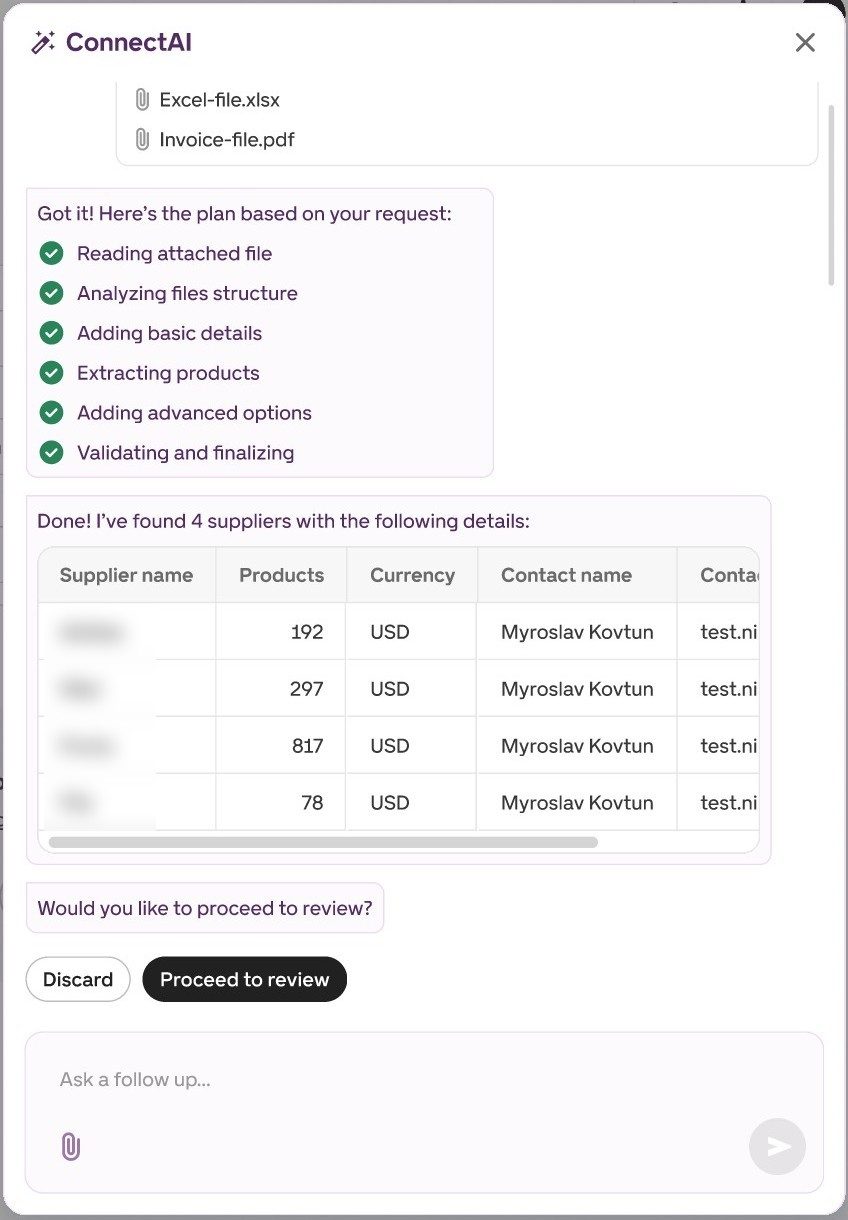
Explored chosen
Partners chose the catalog that asks for the fewest decisions.
Every feature was prototyped and tested with a few partners first. For the catalog, partners picked the direction built on browsing patterns our design team borrowed from Spotify: a few large, familiar categories, cards that open into detail, and the next useful action shown first.
Hick’s Law. More choices, slower decisions. The chosen catalog shows two things: suppliers and categories. lawsofux.com
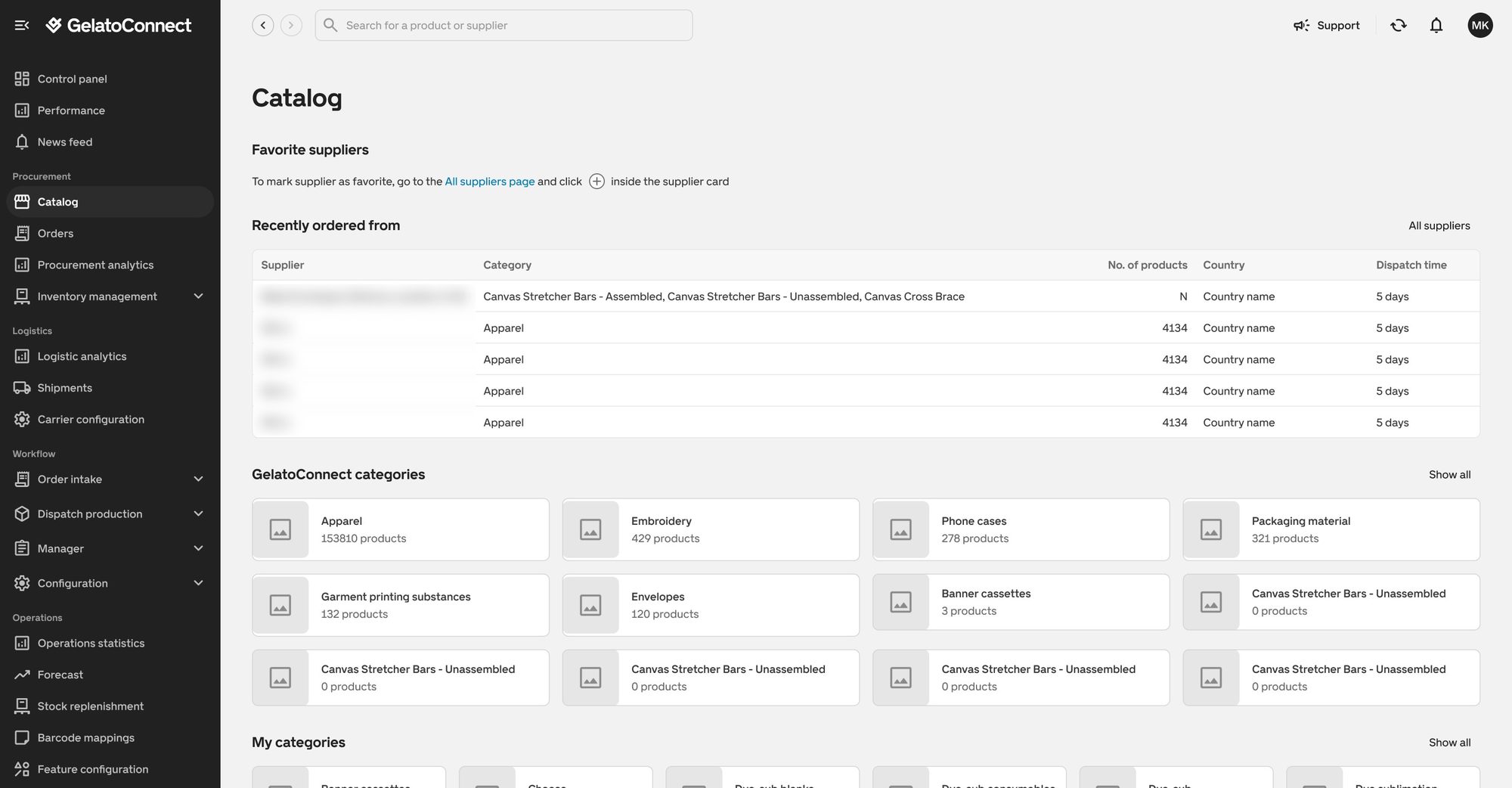
Results
Less money frozen in stock, and hours of manual work handed back.
Measured after release, over several months with real partners
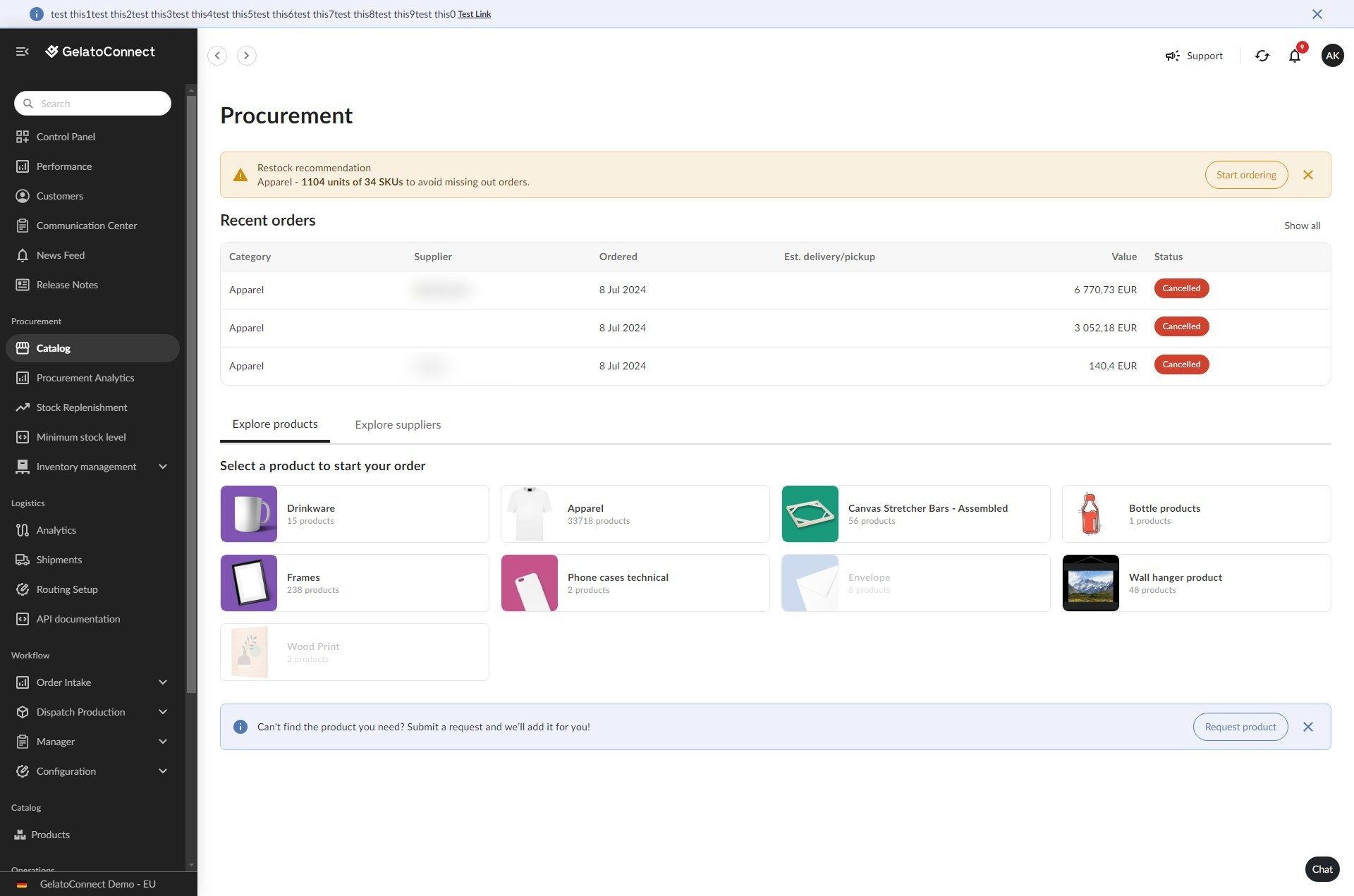
- More partners buying Procurement, on its own and in the module bundle
- Fewer data-entry errors, with each role on its own interface
- Partners went from working around the tool to working in it daily
What I took from it
The hardest part wasn’t a screen. It was keeping partners, engineers and the PM moving in one direction on tight deadlines.
I learned to say exactly what I need from others, and to keep frustration out of working relationships. In a system this complex, clear communication is part of the design.
“The result was a product that is not only functional but incredibly easy to use.”